Xucheng (David) Wang

Xucheng (David) Wang

王栩成

About

I am a master’s student in Biomedical Informatics at Harvard Medical School, advised by Pranav Rajpurkar. My research focuses on developing and evaluating clinical AI agents and embodied AI for medicine—systems that perceive, reason, and act alongside clinicians, from simulated hospitals to surgical robots.

My work has been accepted at conferences including CHIL, MLHC, and ML4H, and in journals including Science and the American Journal of Transplantation.

I earned a BS in Computer Science from Washington University in St. Louis, with a second major in Financial Engineering and a minor in Statistics. There, I worked with Jin Zhang on AI for radiation oncology and Ulugbek Kamilov on diffusion models for medical image synthesis and reconstruction.

Outside the lab, I enjoy playing and listening to music , road trips and off-roading , and skiing .

News

Scroll for more ↓

Featured Papers

View all papers →
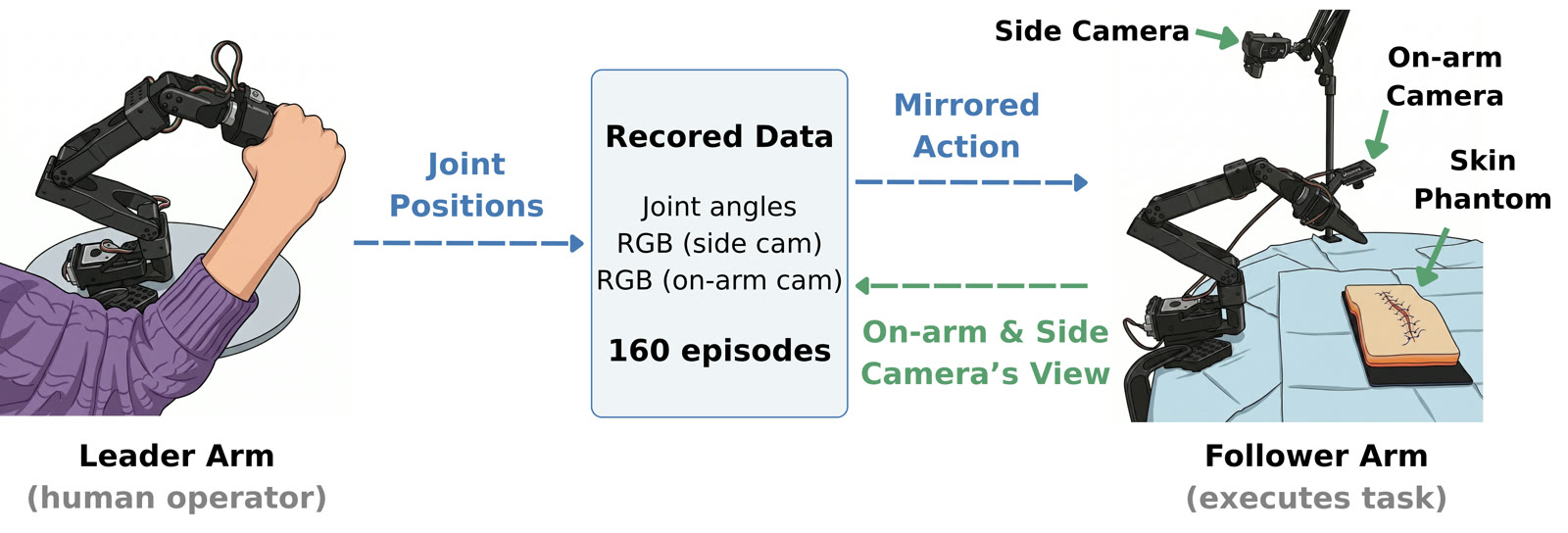
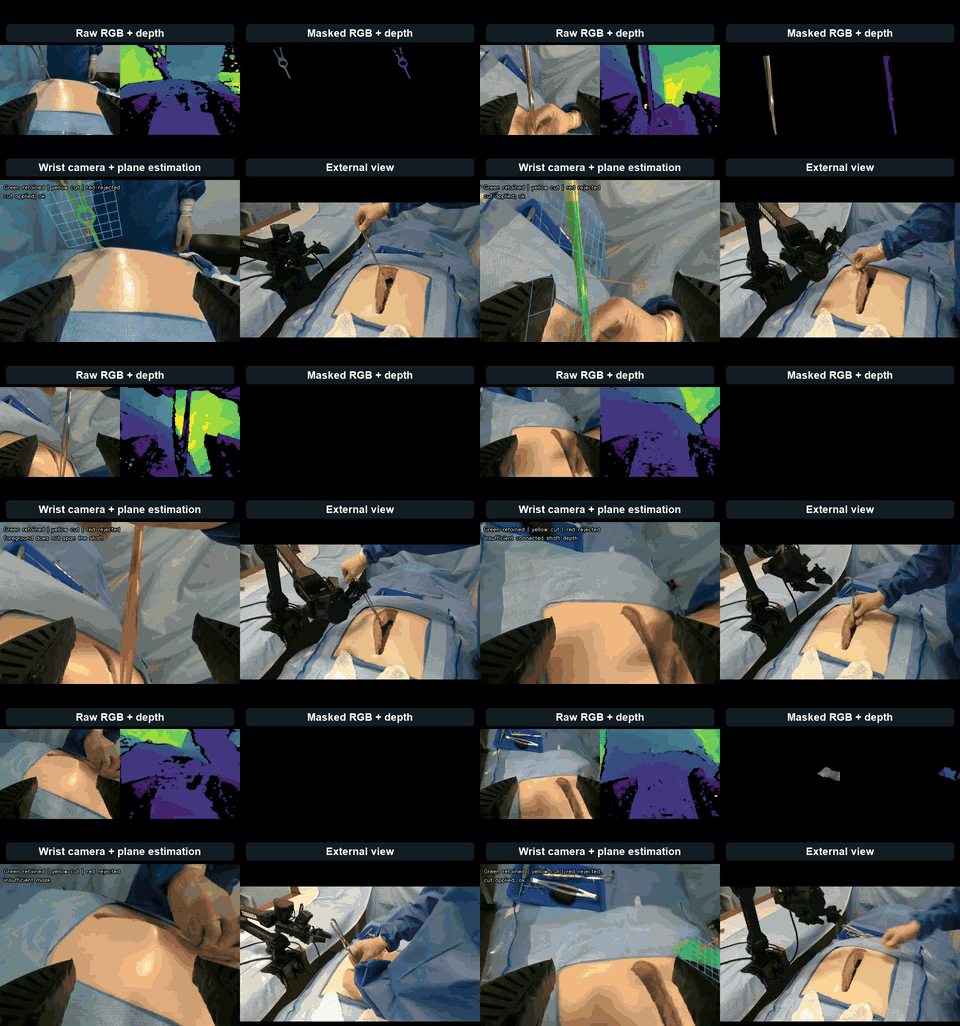
Looping SimRetract demonstration showing robotic retractor take-over
Machine Learning for Health (ML4H 2026)

SimRetract: Zero-Shot Sim-to-Real Robotic Assistance for Retractor Take-Over in Open Surgery

Wang X, Yang Z, Kim SE, Hardy R, Sampson MP, Reddy A, Pal A, Zhang X, Luo L, Rajpurkar P

Learns retractor take-over entirely from simulated task demonstrations and transfers zero-shot to the real robot while preserving the surgeon-established retraction.

Figure available upon publication
Science · In press

Abandonment of Safe Medical Advice by Large Language Models Under Patient Resistance

Reddy A, Kim TM, McCoy L, Ramaswamy A, Wang X, Eiss B, Ganti A, Acholonu-Fomin N, Fortenko A, Sanapala S, Kim SE, Gupta S, Nadkarni G, Shah NH, Topol E, Luo L, Rajpurkar P

More info will be available.

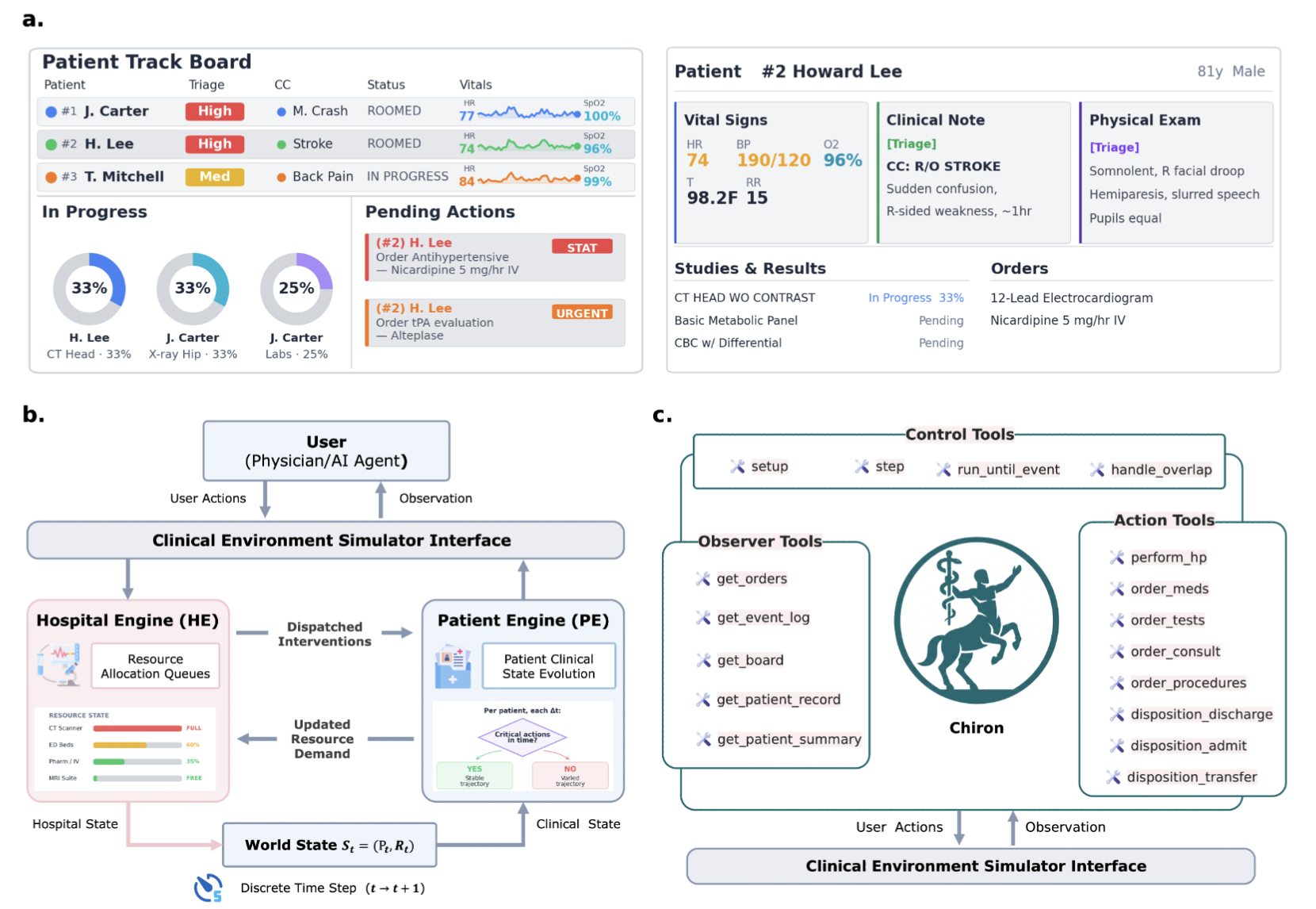
Clinical world model interface, hospital and patient engines, and agent tools
Under review at Nature, following first revision

Towards Dynamic Healthcare Intelligence with a Clinical World Model

Co-second author

An LLM-driven clinical world model for interactive simulation and agent evaluation in emergency-department settings, with a focus on patient prioritization, demographic equity, and care management under resource constraints.

Figure showing the open-surgery suture-following task
Machine Learning for Healthcare Conference (MLHC 2026)

Imitation Learning for Robot Assistance in Open Surgery: A Multi-Policy Evaluation on Suture Following

Wang X, Yang Z, Zhang X, Kim SE, Hardy R, Rajpurkar P

Evaluates multiple imitation-learning policies for coordinated surgeon–robot manipulation and tests the resulting system in a live running-suture trial.

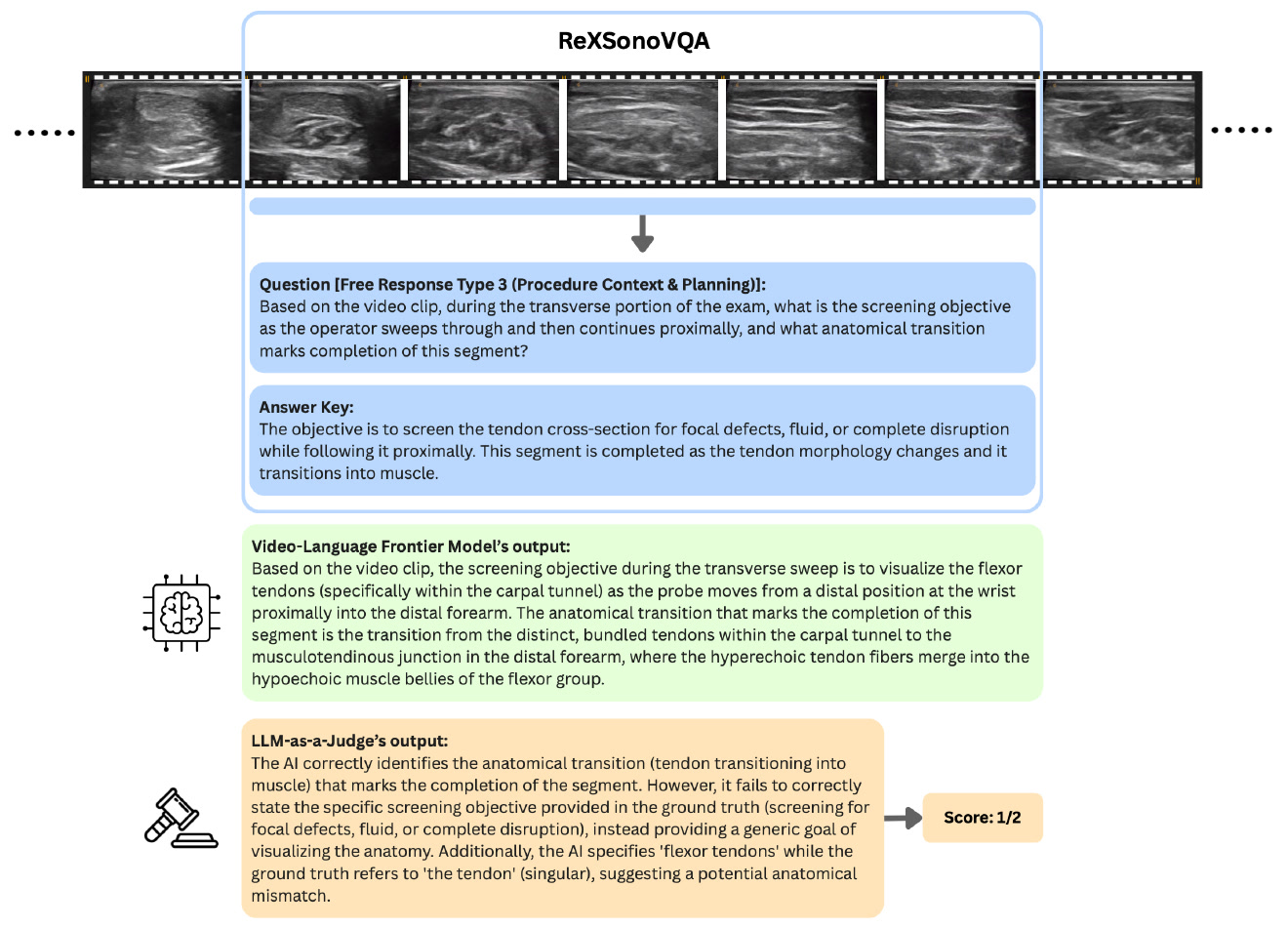
Figure 1 example from the ReXSonoVQA benchmark
Conference on Health, Inference, and Learning (CHIL 2026)

ReXSonoVQA: A Video QA Benchmark for Procedure-Centric Ultrasound Understanding

Wang X, Zhang X, Kim SE, Pal A, Rajpurkar P

Tests whether video-language models can understand ultrasound procedures, including action goals, troubleshooting, and causal planning across six clinical domains.

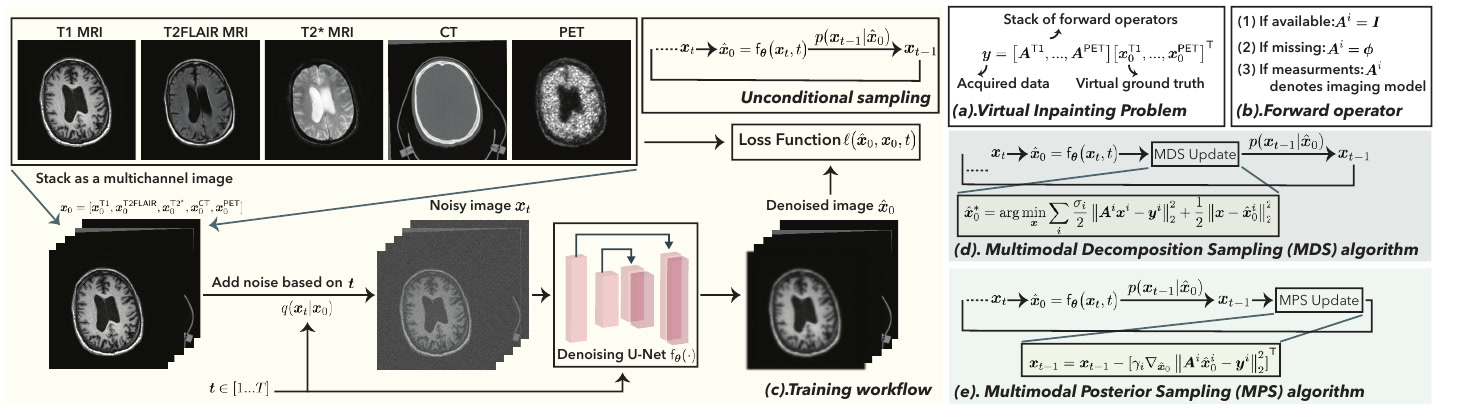
Figure 1 overview of Any2all training and multimodal sampling
Abstract at ISMRM 2025 · Under review at IEEE Transactions on Computational Imaging (TCI)

A Unified Framework for Multimodal Image Reconstruction and Synthesis Using Denoising Diffusion Models

Gan W*, Wang X*, et al., Kamilov US

Frames multimodal reconstruction and synthesis as one inverse problem and develops inference-time diffusion samplers for flexible MRI, CT, and PET recovery.

Selected Projects

View all projects →
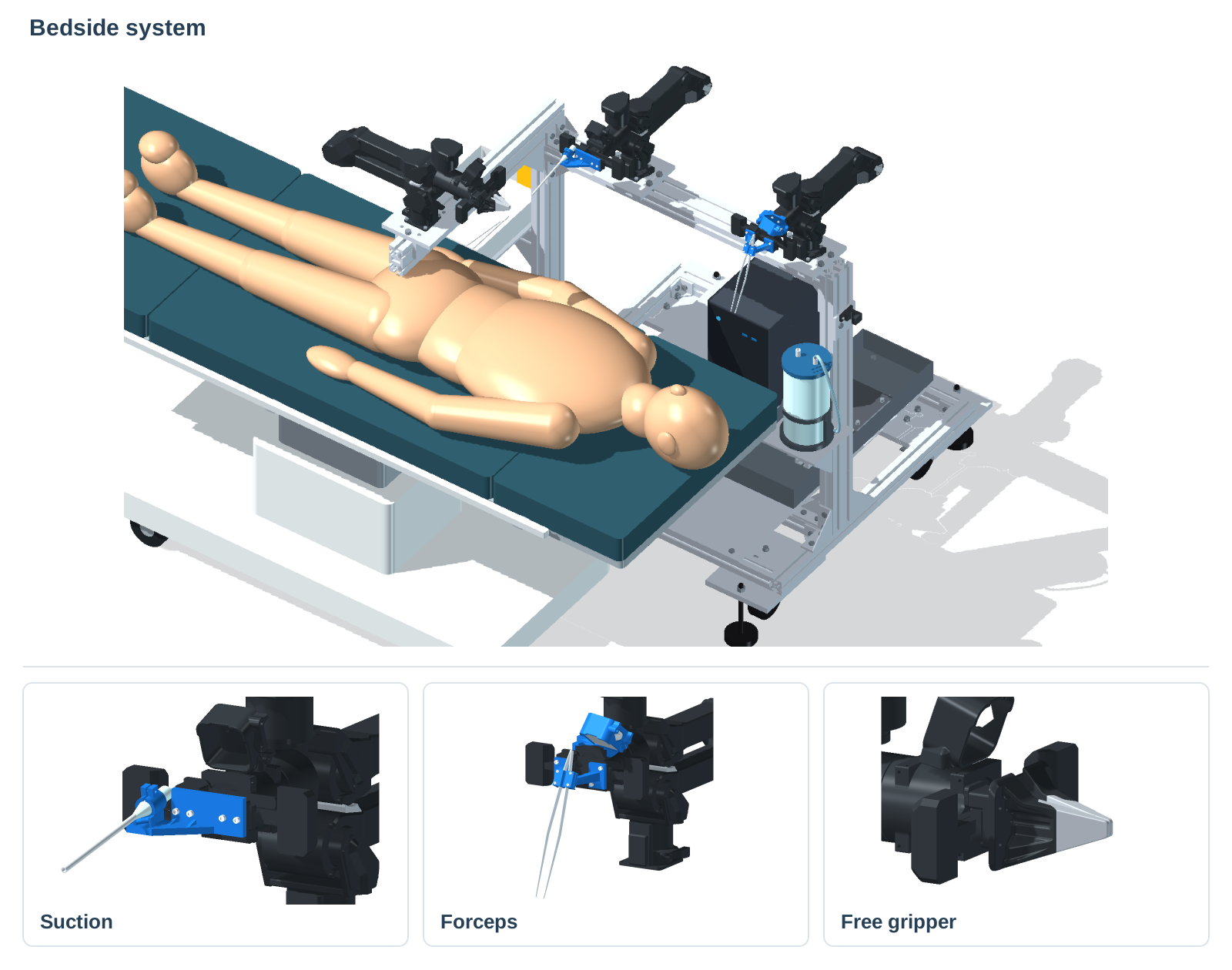
Bedside surgical robotic system with close-ups of the suction tool, forceps, and free gripper

Collaborative Surgical Robotics

Robot learning · Human–robot collaboration

Developing a portable multi-arm assistive system for open surgery, spanning cardiac procedures. The work connects learned manipulation skills, safe handover, and VLM-supervised execution to support surgical teams.

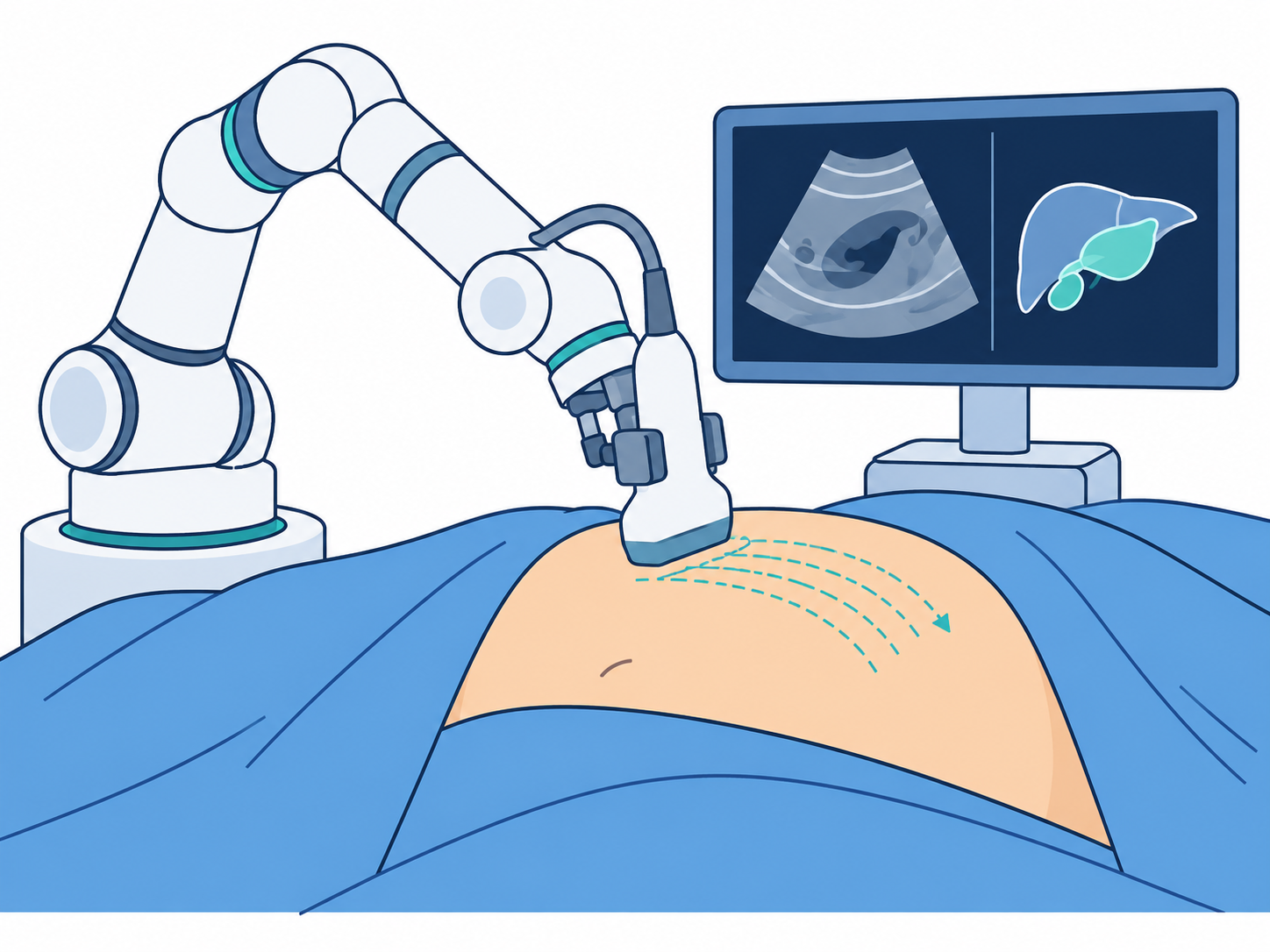
Illustration of a robot performing abdominal ultrasound

Autonomous Abdominal Ultrasound

Hierarchical control · Multimodal perception · 3D reconstruction

Developing a hierarchical vision-language-action framework with a VLM planner and an imitation-learning 6-DOF controller. Synchronized ultrasound, RGB-D, robot kinematics, and expert narration support learning how to scan; probe-pose-conditioned 3D organ reconstruction helps interpret the scanning procedure.

In-Vivo Two-Photon Image Registration

Deformable registration · Synthetic training data · Anatomical supervision

Developed a semi-supervised, segmentation-aware motion-correction method for in-vivo two-photon calcium imaging. Building on VoxelMorph and SynthMorph, the approach uses synthetic neuron images and auxiliary segmentation supervision to align frames while preserving neuron shapes and locations, supporting downstream neural activity analysis with limited real training data.

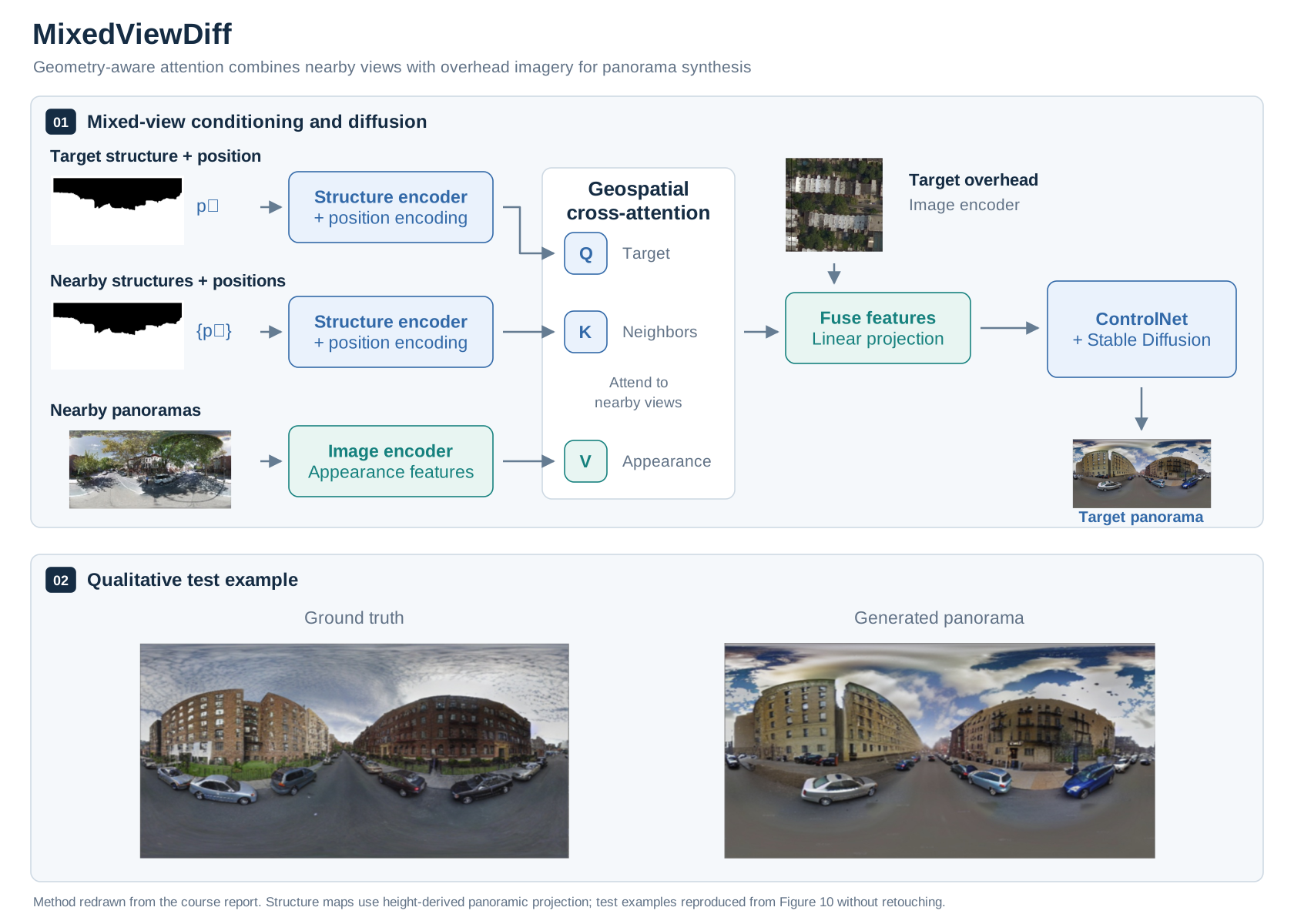
MixedViewDiff architecture with geometry-aware attention and qualitative test examples

MixedViewDiff: 3D-Guided Cross-View Reconstruction

3D vision · Cross-view reconstruction

Synthesizing street-view panoramas from overhead imagery and nearby views. Height-derived structure maps and NeRF-style positional encoding guide geospatial cross-attention, combining scene geometry with appearance features to condition ControlNet and Stable Diffusion.